




From NZ to you
How does our process work?
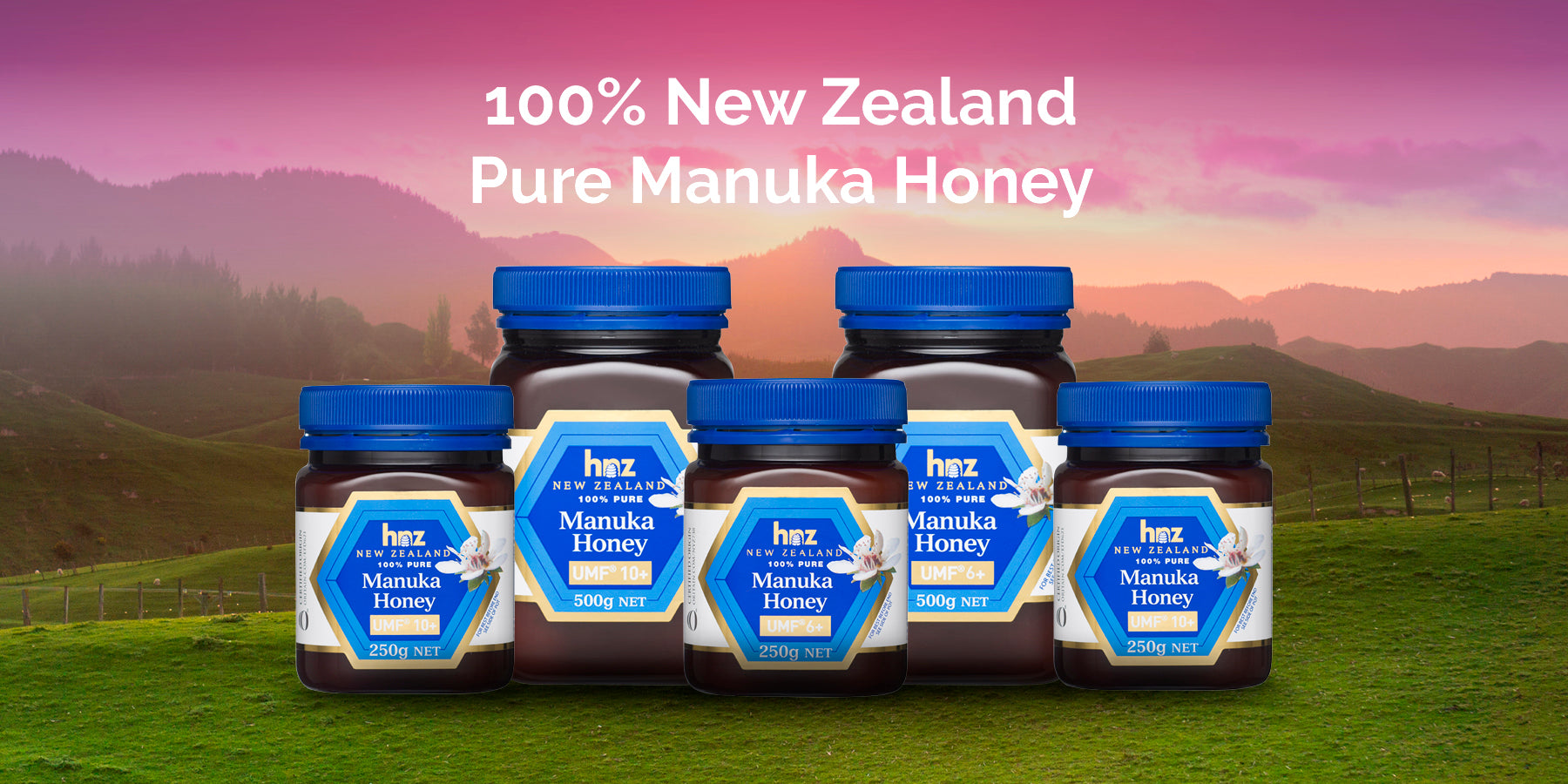
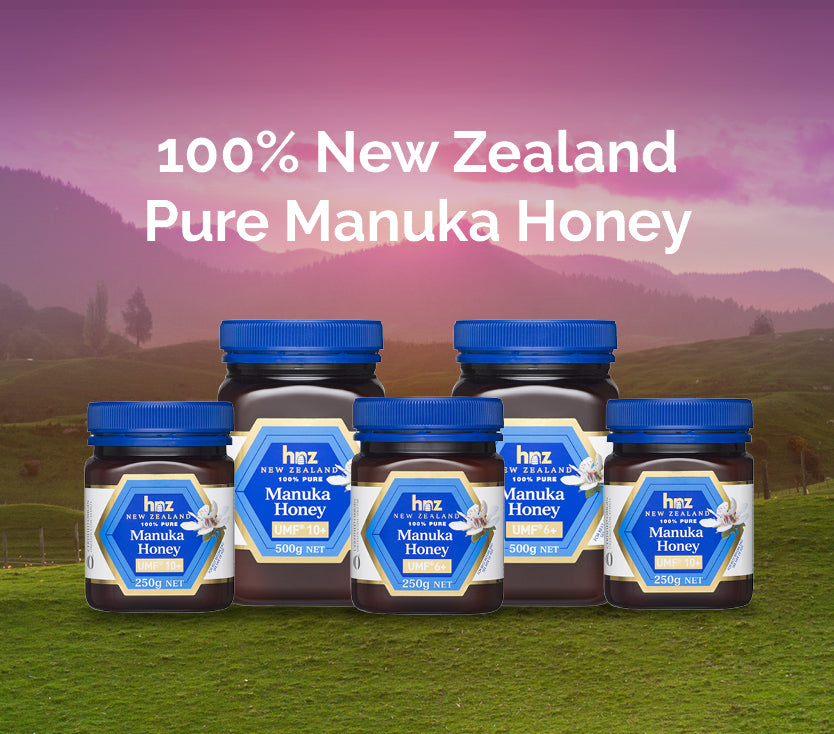
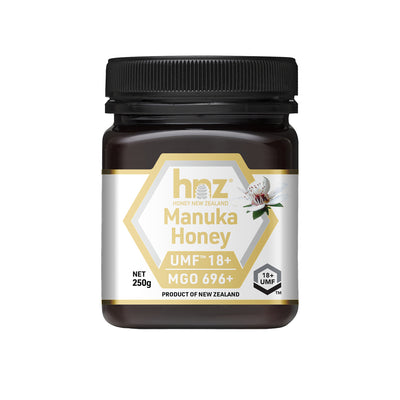
Our Mānuka Honey is harvested and packed in New Zealand. You can be assured of genuine New Zealand Mānuka Honey from Honey New Zealand Everyday Wellbeeing®.
Learn moreThe heart of New Zealand
From the land, bee hives and beekeepers, to the extraction and packing facilities through to exporting, Honey New Zealand owns and manages every step of the process. Thus ensuring the integrity of our New Zealand Mānuka Honey.
Our Mānuka Honey is harvested and packed in New Zealand. You can be assured of genuine New Zealand Mānuka Honey from Honey New Zealand Everyday Wellbeeing®.
Learn more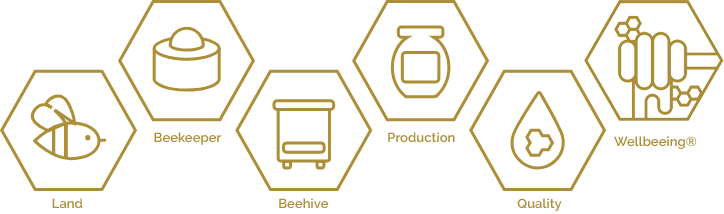
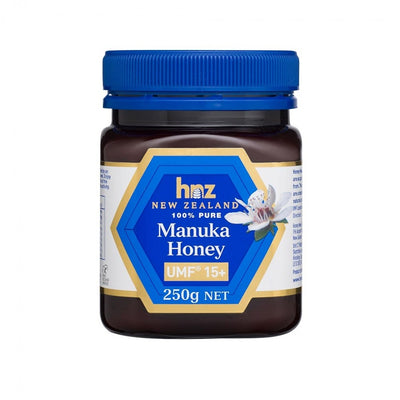
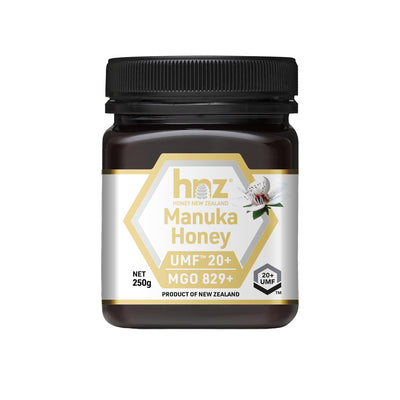
All this means we are proud to produce only 100 per cent Mānuka Honey that is certified to meet the New Zealand Government’s incredibly high export standard. Packed at source in New Zealand, then tested twice by independent laboratories to ensure its authenticity and UMF level. Guaranteed and independently audited – our honey is true to label.
The UMF quality mark that means our Manuka Honey is tested to the highest standard for specific markers that assure customers it is genuine.
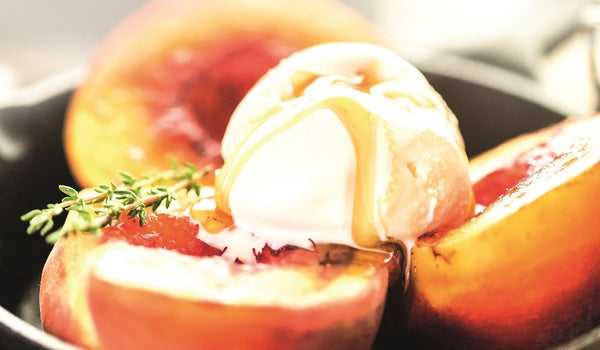
Have a guaranteed sweet & juicy experience with this colourful summer dessert. With added ice cream this is ideal for all the family to enjoy.
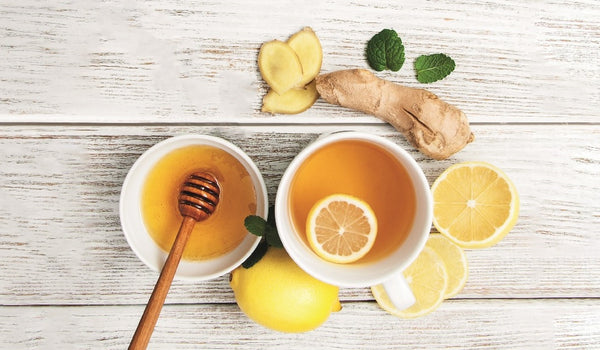
Ginger, Lemon and Manuka Honey alone are wonderful ingredients but when combined together, they offer a calming, relaxing drink.
A proud New Zealand company
Our company’s roots can be traced back to 1909 where our original founders began their adventure with just a handful of beehives selling honey to friends. Now over a hundred years on we are proud to be one of New Zealand’s few independently owned Mānuka honey companies.